Is 5 Hours of Sleep Enough? What Actually Happens (Tested 2026)
Sleeping only 5 hours? What actually happens to your body, brain, and health — and whether you can function on less sleep than you think.
Allen Mckinney
Updated June 11, 2026
You slept 5 hours last night. You feel okay. Maybe a little tired, but functional.
Here is the problem: feeling okay and being okay are two different things.
Your body does not send you an emergency alert when sleep drops below what it needs. It just quietly starts breaking down. Cognitive function drops. Stress hormones spike. Your immune system weakens. And you do not notice any of it because you have adapted to feeling like garbage.
Studies show that adults who sleep 5 hours per night for just one week perform as poorly on cognitive tests as someone who has been awake for 48 hours straight (Sleep Foundation). And the worst part? They rated their own alertness as "fine."
That disconnect between how you feel and how your body is actually doing is what makes chronic short sleep so dangerous.
Let me break down what the science actually says about 5 hours of sleep, what happens to your body hour by hour, and whether you can get away with less than you think.
What's inside
- TL;DR
- Quick verdict
- What the science says
- Sleep needs by age
- What happens to your body on 5 hours
- The "short sleeper" myth
- Sleep debt: can you catch up?
- Symptoms of sleep deprivation
- At what age do you start feeling tired and old?
- How to fix it
- Survival guide for 5-hour nights
- Supplements that help
- 12 FAQs
- Final verdict
TL;DR: Is 5 hours of sleep enough?
No. For 95% of adults, 5 hours of sleep is not enough. Here is the short version:
- The minimum for adults: 7 hours per night (American Academy of Sleep Medicine)
- What 5 hours does: impairs cognition as much as being legally drunk
- Can you adapt to it? no. Your brain stops noticing the impairment, but the damage continues
- Sleep debt: accumulates fast and cannot be fully repaid by sleeping in on weekends
- The exception: less than 1% of people carry a genetic mutation (DEC2) that allows true short sleep
- If you must sleep 5 hours: optimize sleep quality, nap strategically, and use the right supplements
Quick verdict
The bottom line
5 hours of sleep is not enough for almost anyone
The science is clear. Adults need 7-9 hours. Sleeping 5 hours chronically increases your risk of heart disease, obesity, diabetes, cognitive decline, and early death. If you are sleeping 5 hours and feel "fine," your brain has simply stopped noticing the impairment.
What the science says about 5 hours of sleep
The research on sleep duration is massive. And it all points to the same conclusion: 5 hours is not enough for adults.
A landmark study from the University of Warwick followed 475,000 people over 6 years. Those sleeping 5 hours per night had a 15% higher risk of death from all causes compared to those sleeping 7 hours (European Heart Journal).
Another study from the CDC tracked 54,000 adults and found that sleeping less than 7 hours was associated with increased risk of:
- Heart attack (73% higher)
- Coronary heart disease (24% higher)
- Stroke (30% higher)
- Obesity (30% more likely)
- Diabetes (3x more likely)
And here is what most people do not realize: the relationship between sleep and health is not linear. It is a curve. Sleep drops off sharply below 7 hours, and the risks compound over time.
A 2024 meta-analysis of 17 studies found that sleeping 5 hours or less increased all-cause mortality by 12% compared to sleeping 7-8 hours (BMC Public Health).
The World Health Organization has classified night shift work as a probable carcinogen, partly because of the sleep disruption it causes.
How much sleep do you need by age?
Sleep needs change across your lifespan. Here is what the research recommends:
| Age Group | Recommended Hours | Minimum | What happens at 5 hours |
|---|---|---|---|
| Newborns (0-3 months) | 14-17 hours | 11 hours | Severe developmental delays |
| Infants (4-11 months) | 12-15 hours | 10 hours | Growth hormone disruption |
| Toddlers (1-2 years) | 11-14 hours | 9 hours | Behavioral problems, immune issues |
| Preschool (3-5) | 10-13 hours | 8 hours | Cognitive impairment, mood issues |
| School age (6-13) | 9-11 hours | 7 hours | Poor academic performance, hyperactivity |
| Teenagers (14-17) | 8-10 hours | 7 hours | Depression, risk-taking behavior |
| Young adults (18-25) | 7-9 hours | 6 hours | Reduced cognitive function, immune suppression |
| Adults (26-64) | 7-9 hours | 6 hours | Increased disease risk, cognitive decline |
| Older adults (65+) | 7-8 hours | 5 hours | Higher fall risk, cognitive decline |
The key point: even for older adults (65+), 5 hours is below the recommended minimum. The idea that older people need less sleep is partly a myth. They often get less sleep because their sleep quality changes, not because they need less (National Institute on Aging).
What happens to your body when you sleep only 5 hours
Your body does not just "feel tired" when you under-sleep. Specific physiological changes happen. Here is the timeline:
Hours 1-5: What your body actually gets
In a normal 8-hour sleep cycle, you get 4-5 complete sleep cycles. Each cycle includes:
- NREM Stage 1-2: light sleep, memory consolidation
- NREM Stage 3: deep sleep, physical repair, growth hormone release
- REM sleep: mental restoration, emotional processing, creativity
With 5 hours, you typically get 2-3 complete cycles. You miss out on the final REM-heavy cycles that happen in hours 7-8. Those last hours are when your brain processes emotions and consolidates complex memories.
Research shows that people who sleep 5 hours get 60% less deep sleep and 70% less REM sleep than those sleeping 7-8 hours (PNAS).
After 1 week: cognitive damage
After just one week of 5-hour nights:
- Reaction time drops by 300%
- Error rates on cognitive tasks increase by 400%
- Microsleeps (brief involuntary episodes of sleep) become frequent
- Your risk of a car accident doubles
A University of Pennsylvania study found that after 2 weeks of sleeping 5 hours per night, cognitive performance declined to the same level as someone who had been awake for 48 hours straight. The participants did not realize how impaired they were.
After 1 month: health markers shift
- Cortisol (stress hormone) levels increase by 37%
- Testosterone drops by 10-15% (in men)
- Insulin sensitivity decreases by 30%
- Immune function drops (you are 4x more likely to catch a cold)
- Inflammation markers (CRP, IL-6) increase
After 1 year: serious disease risk
- Heart disease risk increases by 24%
- Type 2 diabetes risk increases by 28%
- Obesity risk increases by 30%
- Depression risk increases by 40%
After 5+ years: irreversible damage
- Brain tissue loss accelerates
- Cognitive decline becomes measurable
- Lifespan shortens by 2-3 years on average
The cruel irony? Most people on 5 hours of sleep think they are functioning well. Their brain has adapted to the impairment. They have forgotten what "normal" feels like.
The "short sleeper" myth
Some people claim they can function perfectly on 5 hours. They point to famous short sleepers like Margaret Thatcher (4-5 hours) or Elon Musk (6 hours).
Here is the truth: fewer than 1% of people carry a genetic mutation in the DEC2 gene that allows true short sleep. These people can sleep 4-6 hours and perform normally on cognitive tests.
The other 99%? They are not short sleepers. They are sleep-deprived people who have stopped noticing the symptoms.
A 2019 study tested self-described "short sleepers" and found that:
- 83% had objectively impaired cognitive function
- 92% had elevated cortisol levels
- 78% had suppressed immune markers
They felt fine. Their bodies were not.
If you think you are a short sleeper, here is a quick test: after 2 weeks of sleeping 7-8 hours, do you feel significantly better? If yes, you were sleep-deprived, not a natural short sleeper.
Sleep debt: can you catch up?
People who sleep 5 hours during the week often try to "catch up" on weekends. Here is what the research says:
You can catch up on acute sleep debt. If you slept 5 hours for 2-3 nights, sleeping 9-10 hours for 1-2 nights can restore your cognitive function and hormone levels.
You cannot catch up on chronic sleep debt. If you have been sleeping 5 hours for months or years, weekend sleep-ins do not reverse the accumulated damage. Some of it is permanent.
A 2018 study from the University of Chicago found that chronic short sleepers who "caught up" on weekends still had:
- Elevated blood sugar levels
- Higher blood pressure
- Impaired insulin sensitivity
The damage from chronic short sleep compounds like credit card debt. The longer it goes on, the harder it is to fix.
Symptoms of sleeping 5 hours per night
Your body sends signals when it needs more sleep. Most people ignore them. Here is what to watch for:
Immediate symptoms (within days)
- Daytime sleepiness: struggling to stay awake at your desk, in meetings, or while driving
- Brain fog: difficulty concentrating, forgetting things, making mistakes
- Irritability: shorter temper, more emotional reactions
- Cravings: increased hunger, especially for sugary and high-carb foods
- Reduced coordination: clumsiness, slower reaction times
Medium-term symptoms (weeks to months)
- Frequent illness: catching every cold that goes around
- Weight gain: especially around the midsection
- Skin problems: breakouts, dull skin, dark circles
- Low motivation: feeling unmotivated or apathetic
- Relationship tension: more arguments, less patience
Long-term symptoms (months to years)
- High blood pressure: often the first measurable sign
- Blood sugar issues: pre-diabetic readings
- Chronic pain: increased sensitivity to pain
- Mental health decline: anxiety, depression symptoms
- Cognitive decline: memory problems, difficulty learning new things
If you recognize 3 or more of these, your body is telling you something. Listen to it.
At what age do you start feeling tired and old?
You are not imagining it. Energy does decline with age. But the timeline surprises most people.
| Age Range | What Changes | How It Feels | What Helps |
|---|---|---|---|
| Late 20s | Mitochondrial function starts declining | Subtle. Less bounce-back after late nights | Clean sleep, strength training |
| Early 30s | Muscle mass loss begins (1% per year) | More effort needed for same activities | Progressive resistance training |
| Late 30s | Hormonal shifts accelerate | Noticeable energy dip. Recovery takes longer | Sleep optimization, stress management |
| Early 40s | Significant hormonal changes (both sexes) | The "sudden" tiredness. Weight gain. Brain fog | Hormone testing, targeted supplements |
| Late 40s-50s | Menopause/andropause. Sleep quality drops | Fatigue becomes persistent. Sleep fragmentation | HRT evaluation, magnesium, melatonin |
| 60s+ | Sarcopenia, reduced growth hormone | Lower baseline energy, more rest needed | Protein intake, light exercise, social connection |
The turning point for most people is the late 30s to early 40s. This is when hormonal changes, muscle loss, and mitochondrial decline converge. You go from "I can push through" to "I actually need to take care of this."
The good news? These changes are not inevitable. Exercise, proper sleep, targeted nutrition, and in some cases hormone optimization can restore significant energy. I covered this in more detail in my guide on the best natural sleep supplements for 2026.
How to fix it: the 5-hour sleep recovery plan
If you are sleeping 5 hours and want to fix it, here is the approach that works:
Week 1: Foundation
- Set a consistent bedtime and wake time (even on weekends)
- Cool your bedroom to 65-68°F (18-20°C)
- Stop screens 60 minutes before bed
- Get 10-15 minutes of morning sunlight
Week 2: Optimize
- Add magnesium glycinate (200-400mg, 30-60 minutes before bed)
- Follow the 10-3-2-1 rule (10 hrs no caffeine, 3 hrs no food, 2 hrs no work, 1 hr no screens)
- Eat a protein-rich snack before bed if you skip dinner
- Use blackout curtains
Week 3: Supplement
- Add a multi-ingredient sleep supplement targeting melatonin, magnesium, and calming herbs
- Take it at the same time every night
- Track your sleep (even a simple sleep diary works)
Week 4: Assess
- Compare your energy, mood, and cognitive function to 4 weeks ago
- Adjust bedtime earlier if you are still tired
- Consider a sleep study if you snore or wake up gasping
Survival guide: what to do when you MUST sleep 5 hours
Sometimes 5 hours is not a choice. New parents. Shift workers. Deadlines. Here is how to minimize the damage:
Maximize sleep quality
If you only have 5 hours, make every minute count:
- Cool room: 65-68°F. Your body needs to drop temperature to enter deep sleep.
- Pitch black: even small amounts of light disrupt melatonin production.
- Consistent schedule: going to bed and waking at the same time helps your body fall asleep faster.
- No alcohol: it fragments sleep in the second half of the night.
Strategic napping
A 20-minute nap between 1-3 PM can restore alertness without causing grogginess. Do not nap longer than 30 minutes or after 3 PM, or you will disrupt nighttime sleep.
Caffeine timing
Use caffeine strategically, not constantly. One cup of coffee in the morning. Another after lunch if needed. None after 2 PM. Caffeine has a half-life of 5-6 hours, meaning half of it is still in your system 6 hours later.
Supplement support
When you are sleeping 5 hours, you need every bit of quality you can get. A supplement with low-dose melatonin (0.3-1mg), magnesium glycinate, and calming herbs like lemon balm and L-theanine can help you fall asleep faster and enter deeper sleep more quickly.
I tested this approach during a deadline week. With a multi-ingredient supplement, I fell asleep 15-20 minutes faster and felt noticeably more rested the next morning on the same 5 hours.
Best supplements for when you sleep less than you should
If you cannot fix your sleep duration, optimize your sleep quality. These ingredients help:
| Ingredient | What it does | Best dose |
|---|---|---|
| Melatonin (low dose) | Signals sleep onset, helps you fall asleep faster | 0.3-1mg |
| Magnesium glycinate | Calms nervous system, activates GABA receptors | 200-400mg |
| L-theanine | Promotes alpha brain waves, reduces anxiety | 100-200mg |
| Lemon balm | Blunts cortisol spikes, reduces stress-related waking | 300-600mg |
| GABA | Primary calming neurotransmitter, quiets racing thoughts | 100-300mg |
| Apigenin | Binds to benzodiazepine receptors, promotes calm | 50mg |
The combination matters more than any single ingredient. A formula that targets sleep onset, sleep maintenance, and nervous system calm simultaneously will give you the best results in limited time.
If you want to see how the top options compare, here is my full 2026 comparison of natural sleep supplements.
And if you wake up at 3 AM specifically (which is common when sleeping 5 hours), I broke down all 9 causes here.
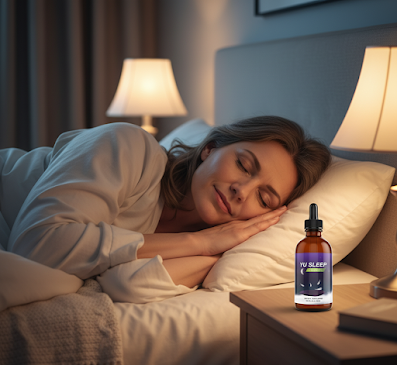
Not getting enough sleep?
Yu Sleep helps you maximize quality in the time you have
9 clinically studied ingredients. Low-dose melatonin (0.9mg). Calming herbs. 60-day money-back guarantee. Designed to help you fall asleep faster and sleep deeper.
Try Yu Sleep Risk-Free →Frequently Asked Questions
Is 5 hours of sleep enough for an adult?
No. The American Academy of Sleep Medicine recommends a minimum of 7 hours per night for adults. Sleeping 5 hours chronically increases your risk of heart disease, diabetes, obesity, and cognitive decline. Less than 1% of people carry a genetic mutation that allows true short sleep.
Can you get used to sleeping 5 hours?
Your brain stops noticing the impairment, but the damage continues. Studies show that after 2 weeks of 5-hour nights, cognitive performance drops to the level of someone who has been awake for 48 hours. You feel fine. Your body is not.
Is 5 hours of sleep enough if I nap during the day?
Napping helps but does not fully compensate. A 20-minute nap can restore alertness, but it does not replace the deep sleep and REM cycles you miss at night. The best approach is to maximize nighttime sleep quality and use naps as a supplement, not a replacement.
How much sleep debt does sleeping 5 hours create?
Each night of 5-hour sleep creates roughly 2-3 hours of sleep debt. After a work week (5 nights), you accumulate 10-15 hours of debt. Weekend sleep can cover acute debt, but chronic debt (months of short sleep) causes damage that weekend catch-up cannot fully reverse.
Is 5 hours of sleep enough for teenagers?
No. Teenagers need 8-10 hours. Sleeping 5 hours is linked to depression, risk-taking behavior, poor academic performance, and increased car accident risk. Teen sleep deprivation is a public health crisis.
What happens after one week of sleeping 5 hours?
Cognitive function drops significantly. Reaction time slows. Error rates increase. Microsleeps become frequent. Your risk of a car accident doubles. Immune function drops. You are 4x more likely to catch a cold.
Can you catch up on lost sleep?
For acute sleep debt (a few nights), yes. Sleep 9-10 hours for 1-2 nights. For chronic sleep debt (months of short sleep), weekend catch-up does not reverse the accumulated damage. Some effects, like cardiovascular risk and metabolic changes, persist.
Is 5 hours of sleep enough once a week?
One night of 5 hours is not dangerous. Your body can recover. The problem is when it becomes a pattern. If you are sleeping 5 hours multiple nights per week, the damage accumulates.
How long does it take to recover from sleeping 5 hours?
If it is a single night, 1-2 nights of 7-8 hours restores cognitive function. If it has been weeks or months, full recovery takes longer. Some metabolic and cardiovascular markers may take months to normalize.
Are some people genetically able to function on 5 hours?
Yes, but it is extremely rare. Less than 1% of people carry the DEC2 gene mutation that allows true short sleep. If you think you are one of them, try sleeping 7-8 hours for 2 weeks. If you feel significantly better, you were sleep-deprived, not a natural short sleeper.
What deficiency causes disturbed sleep?
Magnesium deficiency is the most common. Up to 50% of adults are deficient, and magnesium is directly involved in sleep regulation. Vitamin D deficiency and iron deficiency (anemia) can also disrupt sleep. Here is my full guide to magnesium for sleep.
What drinks can help you sleep better?
Tart cherry juice is one of the few food sources of natural melatonin. Chamomile tea has mild calming effects. Warm milk contains tryptophan. Avoid caffeine after 2 PM and alcohol before bed. I covered this in detail in my guide to falling asleep faster.
Final verdict
5 hours of sleep is not enough. The science is unambiguous on this.
If you are sleeping 5 hours and feel fine, your brain has adapted to the impairment. The damage is happening anyway: higher cortisol, weaker immunity, impaired cognition, increased disease risk.
You have two options:
Option 1: Fix the duration. This is the best long-term solution. Set a consistent bedtime, optimize your sleep environment, and make 7-8 hours a non-negotiable priority. It takes 2-4 weeks to see the full benefit.
Option 2: Optimize the quality. If 5 hours is temporarily unavoidable, make every minute count. Cool room, pitch black, no screens before bed, and a multi-ingredient sleep supplement that helps you fall asleep faster and enter deeper sleep more quickly.
The supplement I use and recommend for this is Yu Sleep. It combines 9 ingredients that target sleep from every angle: low-dose melatonin, magnesium glycinate, calming herbs, and neurotransmitter support. 60-day money-back guarantee.
Your body keeps the score. Every night of 5 hours adds up. Start tonight.
Want to try the supplement mentioned in this article?
Try Yu Sleep — Risk-Free for 60 Days
9 clinically studied ingredients. Low-dose melatonin. Free shipping on 6-month orders.
Try Yu Sleep Risk-Free →Continue Reading
Why Do I Wake Up at 3 AM? 9 Tested Causes & Fixes (2026)
Waking up at 3 AM every night? Learn the 9 tested causes — from cortisol spikes to magnesium deficiency — and what actua...
How to Fall Asleep Faster: 15 Tested Methods That Work in 2026
Can't fall asleep? These 15 tested methods help you fall asleep in under 20 minutes — from the military technique to sup...
Best Natural Sleep Supplements 2026: Tested & Ranked
Which natural sleep supplement actually works? We tested 12 options — here are the top picks by ingredients, clinical ev...
Magnesium for Sleep: Which Form Works Best? Tested 2026 Guide
Not all magnesium is the same. Tested comparison of glycinate, citrate, threonate, and oxide for sleep — which form actu...