Best Magnesium for Sleep in 2026: Glycinate vs Threonate vs Citrate
Which magnesium form is best for sleep? Tested comparison of glycinate, threonate, and citrate - absorption, dosage, side effects, and what actually works in 2026.
Allen Mckinney
Updated August 1, 2026
Up to 50% of American adults are deficient in magnesium, and sleep is one of the first things that suffers when levels drop (NIH Magnesium Research).
But here is the problem: there are at least seven different forms of magnesium supplements, and choosing the wrong one for sleep can actually make things worse. Some absorb well. Some cause digestive issues. Some cross the blood-brain barrier. Some do not.
If you have been staring at supplement labels wondering which magnesium to take for sleep, this guide breaks down the three most popular forms - glycinate, threonate, and citrate - with real data on absorption, sleep quality, and side effects.
Why Magnesium Matters for Sleep
Magnesium plays a direct role in sleep regulation through four mechanisms:
- GABA receptor activation: Magnesium binds to GABA receptors, the same calming neurotransmitter system targeted by anti-anxiety medications
- Natural melatonin support: Magnesium helps your body produce its own melatonin - the same hormone most supplements provide
- Cortisol regulation: Low magnesium is linked to elevated cortisol, the stress hormone that wakes you at 2-4 AM
- Muscle relaxation: Magnesium prevents the muscle tension, restless legs, and physical restlessness that disrupt sleep
Research published in the Journal of Research in Medical Sciences found that magnesium supplementation improved subjective measures of insomnia including sleep onset latency, sleep duration, and early morning awakening.
The question is not whether you need magnesium for sleep - it is which form works best.
The 3 Best Magnesium Forms for Sleep (Head-to-Head)
1. Magnesium Glycinate - Best Overall for Sleep
Magnesium glycinate is the gold standard for sleep. It combines magnesium with glycine, an amino acid that is itself calming - it lowers body temperature and promotes relaxation.
This means you get a double sleep benefit: magnesium plus glycine working together.
Absorption: Excellent. The glycinate form is well-absorbed without the laxative effect that plagues other forms.
Clinical dose: 200-400mg taken 30-60 minutes before bed.
Side effects: Very few. Does not cause digestive issues even at higher doses.
Best for: Most people. If you are only going to try one form of magnesium for sleep, glycinate is the one to pick.
A 2012 study found that magnesium supplementation improved sleep quality in elderly subjects with insomnia, and glycinate was the most commonly used form in positive-outcome studies (Journal of Clinical Sleep Medicine).
2. Magnesium L-Threonate - Best for Brain Sleep
Magnesium threonate was developed by MIT researchers specifically to increase magnesium levels in the brain. It is the only form that efficiently crosses the blood-brain barrier.
This matters because sleep quality is determined in the brain - not in your muscles or digestive system. Threonate targets the neural pathways directly.
Absorption: Good for brain. Lower systemic absorption than glycinate.
Clinical dose: 144mg elemental magnesium (typically 2,000mg magnesium threonate powder).
Side effects: Minimal. But expensive - typically 3-4x the cost of glycinate.
Best for: People with brain fog, cognitive issues, or who want targeted brain support alongside sleep improvement.
Research from MIT showed that magnesium threonate improved sleep quality markers including deep sleep and REM sleep in animal models (Neuron). Human studies are still limited but promising.
3. Magnesium Citrate - Decent but Laxative Effect
Magnesium citrate absorbs well and is widely available at a low cost. The problem: it is primarily known as a laxative. Higher doses cause loose stools, cramping, and digestive discomfort.
Absorption: Good. But the laxative effect limits how much you can take.
Clinical dose: 200mg (higher doses cause GI issues).
Side effects: Diarrhea, cramping, loose stools at doses above 200mg.
Best for: People who also deal with constipation and want a dual-purpose supplement. Not ideal for sleep-only use.
Comparison Table: Magnesium Forms for Sleep
| Feature | Glycinate | Threonate | Citrate |
|---|---|---|---|
| Absorption | Excellent | Good (brain-specific) | Good |
| Crosses blood-brain barrier | No | Yes ✓ | No |
| Digestive side effects | None | None | Diarrhea at higher doses |
| Sleep quality improvement | Strong | Strong (brain-targeted) | Moderate |
| Additional calming ingredient | Glycine (calming amino acid) | Threonate (neuroprotective) | Citric acid (neutral) |
| Recommended dose for sleep | 200-400mg | 144mg elemental | 200mg max |
| Cost per month | ~$12-20 | ~$30-45 | ~$8-12 |
| Best for | Most people | Brain fog + sleep | Budget + digestion |
Other Magnesium Forms (Ranked for Sleep)
eyond the top three, here is how the other forms stack up:
Magnesium Taurate - Best for Heart + Sleep
Taurine supports cardiovascular health and has calming properties. Good if you have high blood pressure alongside sleep issues. Absorption is good, side effects minimal.
Magnesium Malate - Better for Morning Than Night
Malic acid supports energy production. This is better taken in the morning for fatigue and muscle pain, not at night for sleep.
Magnesium Oxide - Worst for Sleep
Only 4% is absorbed. Most passes through as a laxative. Do not waste your money on this form for sleep.
Magnesium Sulfate (Epsom Salt) - Best for Baths
A warm Epsom salt bath before bed promotes relaxation through skin absorption and the calming effect of warm water. Great as a sleep ritual, but not a replacement for oral supplementation.
How Much Magnesium Do You Need for Sleep?
The RDA for magnesium is 310-420mg per day depending on age and sex. But this is the minimum to prevent deficiency - not the optimal amount for sleep.
For sleep specifically:
- Dietary magnesium: Aim for 300-400mg from food (leafy greens, nuts, seeds, dark chocolate)
- Supplemental magnesium: 200-400mg of magnesium glycinate before bed
- Total target: 500-800mg per day
If you are also waking up at 3 AM, low magnesium is one of the most likely culprits. Here are the 9 medical causes of 3 AM wake-ups.
Magnesium Glycinate vs Melatonin: Which Is Better?
They serve different purposes:
- Melatonin signals your body that it is time to sleep. It addresses sleep onset.
- Magnesium calms your nervous system and supports natural melatonin production. It addresses sleep quality and maintenance.
For best results, use both. Low-dose melatonin (0.3-1mg) to signal sleep onset, plus magnesium glycinate to support deep sleep and prevent middle-of-the-night waking. I covered this comparison in more detail here.
If you keep waking up multiple times per night, magnesium alone might not be enough. Here are all 7 reasons you can't stay asleep.
How to Take Magnesium for Sleep
Timing: 30-60 minutes before bed. This gives the magnesium time to be absorbed and start promoting relaxation.
With food or without: Magnesium glycinate can be taken with or without food. Taking it with a light snack may improve absorption slightly.
Capsule vs powder: Both work. Powders absorb slightly faster. Capsules are more convenient.
Stacking with other supplements: Magnesium glycinate stacks well with L-theanine, lemon balm, and low-dose melatonin. This is the combination that targets multiple sleep pathways simultaneously.
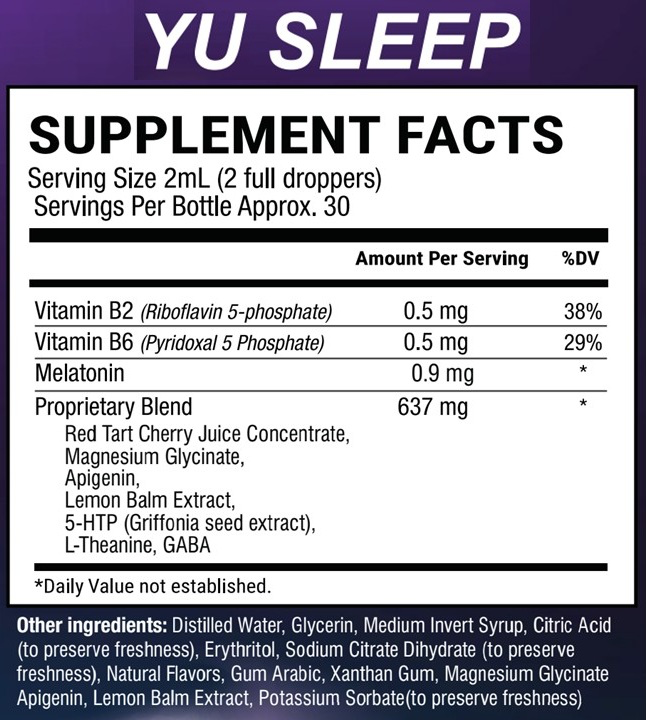
Want magnesium + 8 other sleep ingredients in one formula?
Yu Sleep includes magnesium glycinate at the clinical dose
Combined with melatonin, L-theanine, GABA, and more. 60-day money-back guarantee.
Try Yu Sleep Risk-Free →People Also Ask
Which form of magnesium is best for sleep?
Magnesium glycinate is the best form for sleep. It absorbs well, does not cause digestive issues, and the glycine molecule itself is calming. If you also deal with brain fog, magnesium threonate is worth considering.
How much magnesium should I take for sleep?
200-400mg of magnesium glycinate taken 30-60 minutes before bed is the typical recommended dose. Start with 200mg and increase if needed. Total daily magnesium (including food) should be 500-800mg.
Can I take magnesium every night?
Yes. Magnesium glycinate is safe for long-term daily use and does not cause digestive issues even with regular use. It is one of the most well-tolerated sleep supplements available.
How long does magnesium take to work for sleep?
Most people notice improvements in sleep quality within 1-2 weeks of consistent use. Magnesium levels in the body build gradually, so full benefits typically appear after 3-4 weeks of daily supplementation.
What is the best natural sleep supplement with magnesium?
Look for supplements that combine magnesium glycinate with other calming ingredients like L-theanine, GABA, and lemon balm. This multi-ingredient approach targets multiple sleep pathways simultaneously. Here are the top options for 2026.
Frequently Asked Questions
Which magnesium is best for sleep - glycinate or threonate?
Magnesium glycinate is best for most people. It absorbs well, does not cause digestive issues, and the glycine molecule itself is calming. Magnesium threonate is better if you specifically want brain-targeted support or deal with brain fog alongside sleep issues.
How much magnesium glycinate should I take for sleep?
200-400mg taken 30-60 minutes before bed is the typical recommended dose. Start with 200mg and increase if needed.
Can I take magnesium glycinate every night?
Yes. It is safe for long-term daily use and does not cause digestive issues even with regular use.
Is magnesium citrate good for sleep?
Magnesium citrate absorbs well but causes loose stools at higher doses. It is not the best choice for sleep specifically. Magnesium glycinate is a better option.
Should I take magnesium or melatonin for sleep?
Both. Melatonin signals sleep onset. Magnesium calms the nervous system and supports sleep quality. They work through different mechanisms and complement each other well.
How long before bed should I take magnesium?
30-60 minutes before bed is ideal. This gives the magnesium time to be absorbed and start promoting relaxation.
Can magnesium help with 3 AM wake-ups?
Yes. Low magnesium is linked to elevated cortisol, which causes middle-of-the-night waking. Magnesium glycinate helps calm the nervous system and reduce those cortisol spikes. Here are all 9 causes of 3 AM wake-ups.
What is the difference between magnesium glycinate and magnesium bisglycinate?
They are the same thing. "Bisglycinate" is the more technically accurate name - it means two glycine molecules bound to one magnesium atom. Some brands use one name, some use the other. Both are the same well-absorbed, gentle form.
Want to try the supplement mentioned in this article?
Try Yu Sleep — Risk-Free for 60 Days
9 clinically studied ingredients. Low-dose melatonin. Free shipping on 6-month orders.
Try Yu Sleep Risk-Free →Continue Reading
Why Do I Wake Up at 3 AM? 9 Tested Causes & Fixes (2026)
Waking up at 3 AM every night? Learn the 9 tested causes — from cortisol spikes to magnesium deficiency — and what actua...
How to Fall Asleep Faster: 15 Tested Methods That Work in 2026
Can't fall asleep? These 15 tested methods help you fall asleep in under 20 minutes — from the military technique to sup...
Best Natural Sleep Supplements 2026: Tested & Ranked
Which natural sleep supplement actually works? We tested 12 options — here are the top picks by ingredients, clinical ev...
Magnesium for Sleep: Which Form Works Best? Tested 2026 Guide
Not all magnesium is the same. Tested comparison of glycinate, citrate, threonate, and oxide for sleep — which form actu...