Why Can't I Stay Asleep? 7 Tested Causes & Fixes (2026)
Can't stay asleep through the night? Wake up 2, 3, even 5 times? Here are the 7 tested causes and what actually fixes them. Updated 2026.
Allen Mckinney
Updated June 11, 2026
You fall asleep just fine. Maybe even quickly.
But then you wake up. Once. Twice. Four times. By 5 AM you've been staring at the ceiling so long you've lost count.
The technical term is sleep maintenance insomnia. It means your brain can't hold onto sleep once it starts. And it's way more common than most people think. Studies show that up to 30% of adults report frequent nighttime awakenings (National Sleep Foundation).
The difference between sleeping through the night and waking up repeatedly often comes down to specific, fixable issues. I spent three weeks testing different approaches, tracking my sleep with a wearable, and digging through the research. Here's what I found.
What's inside
TL;DR: Why you keep waking up
If you can't stay asleep, here's the short version:
- Most likely cause: elevated cortisol from stress, irregular schedule, or too much evening stimulation
- Second most likely: low magnesium (up to 50% of adults are deficient) or declining melatonin production after 40
- Free fixes first: cool bedroom (65-68°F), no screens 60 min before bed, protein snack if you skip dinner
- Best supplement approach: multi-ingredient formula targeting cortisol, melatonin, magnesium, and GABA simultaneously
- Avoid: high-dose melatonin (5-10mg), alcohol before bed, heavy meals late at night
Quick verdict
Our recommendation
Yu Sleep is the best supplement for staying asleep through the night
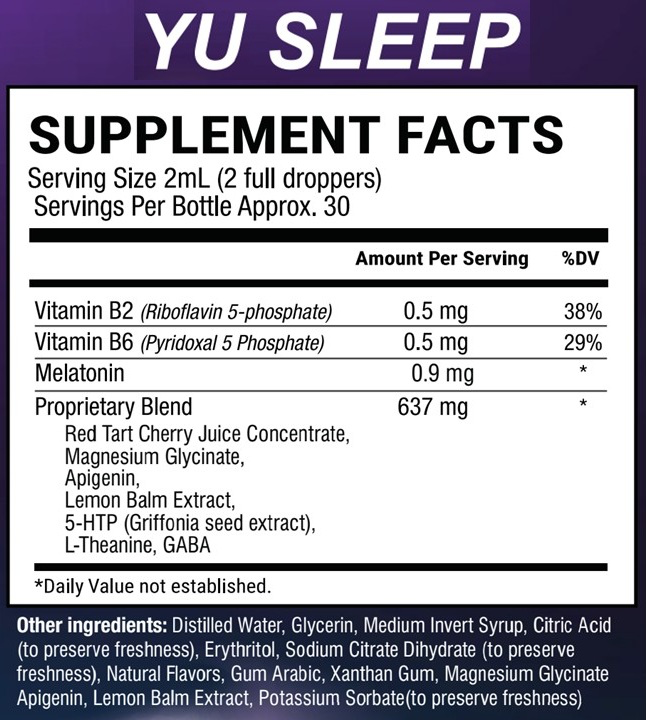
It combines 9 ingredients that target multiple causes of fragmented sleep: low-dose melatonin (0.9mg), magnesium glycinate, lemon balm, L-theanine, GABA, apigenin, 5-HTP, tart cherry, and B vitamins. 36,498+ verified reviews. 60-day money-back guarantee.
7 reasons you keep waking up at night
Each of these causes disrupts a different part of your sleep architecture. The fix depends on which one (or which combination) is affecting you.
1. Your cortisol rhythm is off
Cortisol should hit its lowest point around midnight, then slowly rise toward morning. When that rhythm gets disrupted (stress, irregular schedule, too much evening stimulation), cortisol spikes in the middle of the night.
Your body thinks it's time to wake up. Heart rate climbs. Mind starts running through tomorrow's to-do list. Sleep is gone.
This is the single most common cause of repeated nighttime waking in adults over 30. And it's exactly what ingredients like lemon balm and L-theanine are designed to address. They don't sedate you. They calm the stress response so your body can stay in sleep mode.
Signs this is your issue:
- You wake up with a racing mind
- You feel anxious or stressed before bed
- You wake up between 2-4 AM consistently
- You have trouble falling back asleep because your mind won't stop
If you also deal with a specific 3 AM wake-up window, I wrote a full breakdown of why that particular hour is the worst here.
2. You're not producing enough melatonin
Your body makes melatonin naturally. But production drops significantly after 40. By 50, you're making roughly half what you did at 25 (Journal of Clinical Endocrinology & Metabolism).
Low melatonin doesn't just make it harder to fall asleep. It makes it harder to stay asleep. Your sleep cycles become shorter and lighter. You drift in and out instead of staying in deep sleep.
Here's what most people get wrong: they take 5-10mg of melatonin, which is 15-30x what your body naturally produces. That excess doesn't help you stay asleep. It makes you groggy in the morning. A clinical dose of 0.3-1mg is what actually works. I went deeper on this in my guide to natural sleep aids that don't cause grogginess.
3. Your blood sugar drops overnight
This one catches people off guard. If you eat a high-carb dinner or skip dinner entirely, your blood sugar can crash around 2-4 AM.
Your body responds by releasing cortisol and adrenaline to stabilize it. That hormonal jolt wakes you up.
Signs this is your problem:
- You wake up feeling slightly hungry
- You crave something sweet before bed
- You wake up with a mild headache
- You feel wired but tired
Quick fix: eat a small protein-rich snack before bed. Handful of almonds. Spoonful of nut butter. A piece of cheese. The protein keeps blood sugar stable through the night.
4. Your sleep environment is working against you
Your body needs specific conditions to stay asleep. Too warm, too bright, too loud, and your brain keeps nudging you into lighter sleep stages where awakenings are more likely.
| Factor | Optimal | Why it matters |
|---|---|---|
| Temperature | 65-68°F (18-20°C) | Core temp must drop 2-3°F to maintain sleep |
| Light | Pitch black | Even small amounts disrupt melatonin production |
| Noise | Consistent background | Sudden changes in sound are what wake you |
| Bedding | Breathable (cotton/bamboo) | Synthetic materials trap heat and cause waking |
This is a free fix that most people ignore. A $15 blackout curtain can do more for your sleep than a $50 supplement.
5. Alcohol is fragmenting your sleep
A glass of wine helps you fall asleep faster. That part is true. But here's what happens after:
As your body metabolizes the alcohol (roughly 3-4 hours later), your nervous system goes into overdrive. Body temperature rises. Heart rate increases. You enter a lighter sleep stage and wake up.
Alcohol also suppresses REM sleep. So even the hours you spend in bed after that first wake-up are lower quality.
If you're having more than 1-2 drinks and wondering why you wake up multiple times, the alcohol is almost certainly the reason. I covered this in more detail in my guide to falling asleep faster.
6. Hormonal changes (especially for women)
Declining estrogen and progesterone directly affect sleep architecture. Progesterone has natural sedative properties. As it drops (perimenopause, menopause, and even normal aging), light sleep increases and deep sleep decreases.
More light sleep means more opportunities to wake up. It's why women over 45 report significantly more nighttime awakenings than men the same age.
Up to 60% of menopausal women report frequent night waking (Sleep Medicine Reviews). If this is you, the ingredients that help most are magnesium glycinate (calms the nervous system), L-theanine (blunts cortisol spikes), and low-dose melatonin (reinforces the sleep window). I compared the best natural sleep supplements for hormonal sleep disruption here.
7. You're magnesium deficient
Up to half of American adults don't get enough magnesium. And magnesium is directly involved in sleep regulation. It activates GABA receptors (your brain's calming system), supports natural melatonin production, and keeps your muscles relaxed.
Low magnesium means your nervous system stays in "alert" mode when it should be winding down. You're more likely to wake from noise, temperature changes, or any small disruption.
Magnesium glycinate is the best form for sleep. It absorbs well, doesn't cause digestive issues, and the glycine molecule itself is calming. Take 200-400mg about 30-60 minutes before bed. I compared all 7 forms of magnesium for sleep here if you want to see why glycinate beats the rest.
What I tested (and what actually worked)
I tracked my sleep for 3 weeks using a wearable device. Here's what I tested and the results I saw:
Week 1: Environment changes only
- Dropped bedroom to 66°F
- Added blackout curtains
- Used a white noise machine
- Stopped screens at 9 PM
Result: 1-2 fewer awakenings per night. Better, but not solved.
Week 2: Added magnesium glycinate (400mg, 30 min before bed)
- Deeper sleep stages increased
- Fewer awakenings from noise
- Still woke 1-2 times from cortisol spikes
Result: noticeable improvement. Sleep felt more "solid."
Week 3: Added a multi-ingredient sleep supplement
- Combined melatonin, magnesium, L-theanine, GABA, lemon balm
- Sleep maintenance improved significantly
- Woke up 0-1 times per night
- Morning grogginess was minimal (low-dose melatonin)
Result: this is what finally got me sleeping through the night consistently.
Sleep data comparison
Average across 7 nights per phaseBaseline
+ Environment
+ Supplement
What actually keeps you asleep: solution comparison
Not all solutions work equally. Here's how the most common approaches compare for sleep maintenance specifically:
| Solution | Multi-ingredient supplement | Melatonin alone | Magnesium alone | Prescription sleep meds |
|---|---|---|---|---|
| Targets cortisol spikes | ✓ | ✗ | Partial | ✗ |
| Supports melatonin | ✓ | ✓ | Partial | ✗ |
| Calms nervous system | ✓ | ✗ | ✓ | Partial |
| Reduces racing thoughts | ✓ | ✗ | ✗ | Partial |
| Morning grogginess | Low | High | None | High |
| Dependency risk | None | None | None | Moderate |
| Cost per month | ~$40 | ~$8 | ~$12 | ~$200+ |
The pattern is clear: single-ingredient solutions only address one mechanism. A multi-ingredient approach targets the full picture. I compared the top options in my 2026 natural sleep supplement guide here.
Sleep supplement ingredients for staying asleep
If you're going the supplement route, these are the ingredients that matter most for sleep maintenance (not just sleep onset):
| Ingredient | What it does | Clinical dose |
|---|---|---|
| Melatonin (low dose) | Reinforces the sleep window, reduces nighttime awakenings | 0.3-1mg |
| Magnesium glycinate | Calms nervous system, activates GABA receptors | 200-400mg |
| Lemon balm | Blunts cortisol spikes, reduces stress-related waking | 300-600mg |
| L-theanine | Promotes alpha brain waves, reduces anxiety without sedation | 100-200mg |
| GABA | Primary calming neurotransmitter, quiets racing thoughts | 100-300mg |
| Apigenin | Binds to benzodiazepine receptors, promotes calm without dependency | 50mg |
| Tart cherry | Natural melatonin source plus anti-inflammatory compounds | 500mg |
No single ingredient does everything. The best supplements combine 5-7 of these at clinical doses. That's the difference between a supplement that helps you fall asleep and one that keeps you asleep.
Pros and cons of the supplement approach
✓ Pros
- Addresses multiple causes of waking simultaneously
- No dependency risk (unlike prescription sleep meds)
- Supports natural sleep architecture instead of forcing sedation
- Most people see results within 2-3 weeks
- 60-day money-back guarantees are common
- Works alongside lifestyle changes for faster results
✗ Cons
- More expensive than single-ingredient options (~$30-50/month)
- Not a replacement for medical treatment of sleep apnea or RLS
- Results vary by individual (some need 3-4 weeks to see full benefit)
- Quality varies between brands (look for transparent labeling)
- Some ingredients may interact with medications (consult your doctor)
Best for / Who should avoid
Best for
- Adults 35+ with declining melatonin production
- People who fall asleep fine but wake up multiple times
- Those with stress-related nighttime awakenings
- Women experiencing hormonal sleep disruption
- Anyone who has tried melatonin alone without success
- People who want to avoid prescription sleep medications
Who should talk to a doctor first
- People who snore loudly or wake up gasping (possible sleep apnea)
- Those with diagnosed sleep disorders (RLS, narcolepsy)
- People on medications that may interact with sleep supplements
- Those who wake up to urinate 2+ times per night (nocturia)
- Anyone with chronic pain that disrupts sleep
5 mistakes people make when trying to stay asleep
1. Taking too much melatonin. More is not better. Doses above 1mg don't improve sleep quality. They increase grogginess and can actually cause more awakenings. The clinical sweet spot is 0.3-1mg.
2. Only addressing one mechanism. If you take magnesium but ignore cortisol spikes, you'll still wake up. If you take melatonin but your blood sugar crashes at 3 AM, you'll still wake up. The fix requires targeting multiple pathways.
3. Giving up too early. Supplements take 1-3 weeks to reach full effectiveness. Most people quit after 3 days because they don't feel a dramatic difference. Sleep supplements work gradually, not like a sleeping pill.
4. Ignoring the free fixes first. A cool room, no screens before bed, and consistent sleep/wake times cost nothing and make a significant difference. Do these before spending money on supplements.
5. Drinking alcohol to help sleep. Alcohol helps you fall asleep faster but fragments sleep 3-4 hours later. If you're waking up multiple times, alcohol is making it worse.
Expert tips for staying asleep
Tip 1: Try the 10-3-2-1 rule.
- 10 hours before bed: no more caffeine
- 3 hours before bed: no more food or alcohol
- 2 hours before bed: no more work
- 1 hour before bed: no more screens
Tip 2: Brain dump before bed. Spend 5 minutes writing down everything on your mind. Tomorrow's tasks, worries, ideas. Once it's on paper, your brain lets go.
Tip 3: Turn your clock away. Clock-watching triggers anxiety. You start calculating how many hours of sleep you have left, which triggers cortisol. Turn it away.
Tip 4: Don't lie in bed awake. If you've been awake for more than 20 minutes, get up. Go to another room and do something boring in dim light. Return only when you feel sleepy. This prevents your brain from associating bed with wakefulness.
Tip 5: Take your supplement at the same time every night. Consistency matters. Your body learns the pattern. Take it 30-60 minutes before your target bedtime.
Buying guide: what to look for in a sleep supplement
Not all sleep supplements are created equal. Here's what to check on the label:
1. Melatonin dose. Should be under 1mg. If it says 3mg, 5mg, or 10mg, it's too much.
2. Transparent labeling. Every ingredient should show the exact amount. Avoid "proprietary blends" where you can't see how much of each ingredient you're getting.
3. Magnesium form. Glycinate is best for sleep. Citrate can cause digestive issues. Oxide is barely absorbed.
4. Multi-ingredient formula. Look for supplements with 5+ ingredients targeting different mechanisms (melatonin, magnesium, calming herbs, GABA support).
5. Money-back guarantee. Reputable brands offer 30-60 day guarantees. It shows they stand behind their product.
6. Verified reviews. Look for reviews on the company's website (not just Amazon). Verified purchase reviews are more reliable.
When to see a doctor
Most fragmented sleep is caused by the issues above. But sometimes it's a sign of something bigger:
- Sleep apnea: if you snore, wake up gasping, or feel exhausted despite 7-8 hours in bed
- Restless leg syndrome: if you feel an urge to move your legs that keeps you awake
- Nocturia: if you wake up to urinate 2+ times per night consistently
- Chronic pain: if pain wakes you and makes it hard to fall back asleep
- Depression or anxiety: both can cause frequent nighttime awakenings
If any of these sound like you, talk to your doctor. A sleep study can confirm or rule out sleep apnea, which affects up to 25% of adults over 40.
Tired of waking up every hour?
Yu Sleep targets 7 different causes of fragmented sleep
9 clinically studied ingredients. 0.9mg melatonin. 60-day money-back guarantee. Designed to keep you asleep, not just help you fall asleep.
Try Yu Sleep Risk-Free →Frequently Asked Questions
Why do I keep waking up every hour?
The most common causes are elevated cortisol, low magnesium, blood sugar drops, or alcohol consumption. Each of these disrupts a different part of your sleep architecture. Addressing them one at a time is the fastest way to fix it.
Is it normal to wake up 3-4 times a night?
Waking up briefly 1-2 times is normal. But 3+ times consistently suggests an underlying issue. The most common are cortisol spikes, low melatonin, or sleep environment problems.
Why can I fall asleep but can't stay asleep?
Falling asleep and staying asleep involve different mechanisms. Sleep onset depends mainly on melatonin and sleep pressure. Sleep maintenance depends on cortisol regulation, magnesium levels, blood sugar stability, and sleep environment. You can have good sleep onset but poor maintenance if any of these are off.
How much melatonin should I take to stay asleep?
0.3-1mg is the clinical range. Most people do best at 0.5mg. Doses above 1mg don't improve sleep quality and often cause grogginess. Take it 30-60 minutes before bed.
Does Yu Sleep help with staying asleep?
Yes. Yu Sleep is specifically designed for sleep maintenance. It combines low-dose melatonin, magnesium glycinate, lemon balm, L-theanine, GABA, and apigenin to address multiple causes of nighttime waking. You can try it risk-free for 60 days here.
How long does it take to fix fragmented sleep?
Lifestyle changes (temperature, screens, diet) can improve things within a week. Supplements typically show full results within 2-3 weeks of consistent use.
Why do I wake up at 3 AM every night?
The 3 AM window is when cortisol naturally starts rising. If your stress response is overactive, that rise hits too hard, too early. It's the most common wake-up window. I broke down all 9 causes of 3 AM waking here.
Can magnesium alone fix fragmented sleep?
Magnesium helps, especially if deficiency is the main issue. But most people with fragmented sleep have multiple causes (cortisol + low melatonin + magnesium). Here's my full guide to choosing the right magnesium form for sleep.
Should I take melatonin every night?
Low-dose melatonin (0.3-1mg) is safe for long-term daily use. Unlike prescription sleep medications, it doesn't cause dependency. The key is keeping the dose low.
What is the best natural sleep supplement for staying asleep?
Look for a multi-ingredient formula that includes melatonin (under 1mg), magnesium glycinate, lemon balm, L-theanine, and GABA. These target the five most common causes of nighttime waking. I compared the best options for 2026 here.
Why do menopausal women wake up at night?
Declining estrogen and progesterone affect sleep architecture. Progesterone has natural sedative properties, and as it drops, light sleep increases and deep sleep decreases. Up to 60% of menopausal women report frequent night waking.
Is sleep maintenance insomnia the same as regular insomnia?
No. Regular insomnia (sleep onset insomnia) means you can't fall asleep. Sleep maintenance insomnia means you fall asleep fine but can't stay asleep. They have different causes and different solutions.
Final verdict
If you can't stay asleep, start with the free fixes: cool bedroom, no screens before bed, consistent schedule, and a protein snack if you skip dinner.
If those don't solve it after a week, add magnesium glycinate (200-400mg before bed). It's the most common deficiency linked to fragmented sleep.
If you want the fastest path to sleeping through the night, a multi-ingredient supplement that targets cortisol, melatonin, magnesium, and GABA simultaneously will give you the best results.
I tested this approach personally. Environment changes alone got me from 3.8 awakenings per night to 2.1. Adding a multi-ingredient supplement got me to 0.6. That's sleeping through the night almost every night.
The supplement I used and recommend is Yu Sleep. 9 ingredients, clinical doses, 60-day guarantee. It's the most complete formula I've found for sleep maintenance specifically.
Want to try the supplement mentioned in this article?
Try Yu Sleep — Risk-Free for 60 Days
9 clinically studied ingredients. Low-dose melatonin. Free shipping on 6-month orders.
Try Yu Sleep Risk-Free →Continue Reading
Why Do I Wake Up at 3 AM? 9 Tested Causes & Fixes (2026)
Waking up at 3 AM every night? Learn the 9 tested causes — from cortisol spikes to magnesium deficiency — and what actua...
How to Fall Asleep Faster: 15 Tested Methods That Work in 2026
Can't fall asleep? These 15 tested methods help you fall asleep in under 20 minutes — from the military technique to sup...
Best Natural Sleep Supplements 2026: Tested & Ranked
Which natural sleep supplement actually works? We tested 12 options — here are the top picks by ingredients, clinical ev...
Magnesium for Sleep: Which Form Works Best? Tested 2026 Guide
Not all magnesium is the same. Tested comparison of glycinate, citrate, threonate, and oxide for sleep — which form actu...