Natural Sleep Aids That Don't Cause Grogginess: Tested Picks 2026
Tired of waking up groggy? These tested natural sleep aids give you real energy — no morning fog. What to look for, what to avoid.
Allen Mckinney
Updated June 8, 2026
You took a sleep aid last night. You slept 8 hours.
So why do you feel like you got hit by a truck this morning?
Morning grogginess from sleep aids is one of the most common complaints in the sleep supplement space. And it is usually caused by the same thing: too much melatonin.
Why Most Sleep Supplements Cause Grogginess
The average sleep supplement contains 3-10mg of melatonin.
Here is the problem: your body naturally produces only about 0.1-0.3mg per night. So when you take 5-10mg, you are flooding your system with 15-30x the natural amount.
This excess melatonin does not just help you fall asleep — it lingers in your system well into the morning, causing:
- Sleep inertia: that heavy, disoriented feeling when you wake up
- Brain fog: difficulty focusing or thinking clearly
- Daytime drowsiness: needing caffeine to function
- Mood changes: irritability or low motivation
Research shows that melatonin doses above 1mg do not improve sleep quality — they just increase side effects (Cochrane Review on Melatonin).
What to Look For in a Non-Groggy Sleep Aid
1. Low-Dose Melatonin (Under 1mg)
The clinical sweet spot is 0.3-1mg. This is enough to signal sleep onset without causing morning grogginess.
Look for supplements that list the exact melatonin dose on the label. If it says "3mg" or "5mg," it is too much.
2. No Antihistamines
Many OTC sleep aids use diphenhydramine or doxylamine. These are antihistamines that cause significant morning grogginess, dry mouth, and even cognitive impairment with long-term use.
Avoid them.
3. Calming Ingredients, Not Sedating Ones
There is a big difference between "calming" and "sedating":
- Calming: L-theanine, lemon balm, magnesium, apigenin — these reduce anxiety and promote relaxation without knocking you out
- Sedating: High-dose melatonin, antihistamines, valerian root (in high doses) — these force sleep and leave you groggy
Look for supplements that use calming ingredients rather than sedating ones.
4. Ingredients That Support Morning Energy
The best sleep supplements do not just help you sleep — they help you wake up. Look for:
- B vitamins (B6, B2): support energy metabolism and neurotransmitter production
- Tart cherry: natural melatonin plus anti-inflammatory compounds that support recovery during sleep
- Magnesium: supports ATP (cellular energy) production
5. No "Sleep Proprietary Blends"
If a supplement lists a "sleep blend" without showing the exact amount of each ingredient, you have no idea how much melatonin or sedating herbs you are getting.
Always choose supplements with transparent labeling.
The Science Behind "Clean" Sleep
Clean sleep means falling asleep naturally, staying asleep through the night, and waking up refreshed — not groggy. It requires:
- Proper sleep pressure: adenosine buildup throughout the day
- Low cortisol at bedtime: supported by lemon balm and L-theanine
- Appropriate melatonin: low-dose supplementation, not megadoses
- Neural calm: GABA and apigenin quiet racing thoughts
- Morning cortisol rise: natural cortisol spike that wakes you up
If you want to understand why 3 AM wake-ups happen in the first place, I broke down all 9 medical causes here.
And if you keep waking up multiple times throughout the night (not just at 3 AM), here are the 7 reasons you can't stay asleep.
And if you want to see how different supplements compare, here is my full 2026 comparison.
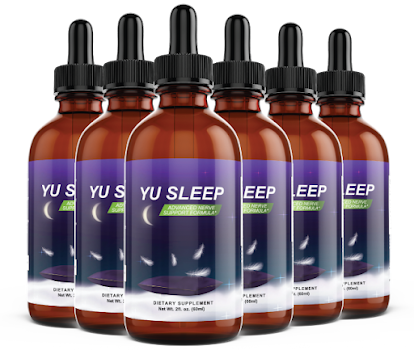
Want deep sleep without the morning fog?
Yu Sleep uses 0.9mg melatonin — not 10mg
Low-dose melatonin + calming ingredients. You fall asleep naturally and wake up refreshed. 60-day guarantee.
Try Yu Sleep Risk-Free →Frequently Asked Questions
Why am I so tired after taking melatonin?
You are probably taking too much. Doses above 1mg do not improve sleep quality but do increase grogginess. Try cutting your dose to 0.3-0.5mg.
What is the best natural sleep aid without side effects?
Magnesium glycinate combined with L-theanine and lemon balm is one of the most side-effect-free combinations.
Can I get deep sleep without feeling groggy?
Yes. Deep sleep is actually promoted by calming ingredients like magnesium and GABA, not by sedatives. Sedatives can reduce deep sleep while increasing light sleep.
Want to try the supplement mentioned in this article?
Try Yu Sleep — Risk-Free for 60 Days
9 clinically studied ingredients. Low-dose melatonin. Free shipping on 6-month orders.
Try Yu Sleep Risk-Free →Continue Reading
Why Do I Wake Up at 3 AM? 9 Tested Causes & Fixes (2026)
Waking up at 3 AM every night? Learn the 9 tested causes — from cortisol spikes to magnesium deficiency — and what actua...
How to Fall Asleep Faster: 15 Tested Methods That Work in 2026
Can't fall asleep? These 15 tested methods help you fall asleep in under 20 minutes — from the military technique to sup...
Best Natural Sleep Supplements 2026: Tested & Ranked
Which natural sleep supplement actually works? We tested 12 options — here are the top picks by ingredients, clinical ev...
Magnesium for Sleep: Which Form Works Best? Tested 2026 Guide
Not all magnesium is the same. Tested comparison of glycinate, citrate, threonate, and oxide for sleep — which form actu...