Why Do I Keep Waking Up at 3 AM? 7 Medical Causes and Fixes
Waking up at 3 AM every night? These 7 medical causes - from cortisol spikes to blood sugar drops - explain why it happens and what actually fixes them.
Allen Mckinney
Updated August 1, 2026
If you wake up at 3 AM every night, you are not alone.
Studies show that up to 35% of adults experience middle-of-the-night waking at least three times a week. And the 3 AM hour is the most common window (National Institutes of Health).
The frustrating part? You fall asleep fine. Maybe you even sleep deeply for the first few hours. Then your eyes snap open at 3:07 AM, your mind starts racing, and sleep feels impossible from that point forward.
Here is the thing: those 3 AM wake-ups are not random. There are specific, measurable reasons your body does this. Let me walk you through the seven most common medical causes - and what actually fixes them.
1. Cortisol Spikes at the Wrong Time
Cortisol, your body's primary stress hormone, naturally starts rising around 2-3 AM to prepare you for waking.
In a well-regulated system, this rise is gradual. But if your stress response is overactive - from chronic anxiety, overtraining, or too much caffeine - that cortisol surge hits too hard, too early.
The result: your body thinks it is morning at 3 AM. Your heart rate climbs, your mind starts planning, and sleep is over.
This is the number one cause of 3 AM waking in adults 35-65. And it is the exact problem that ingredients like lemon balm and L-theanine target. Both help blunt the cortisol response without sedating you.
Signs this is your issue:
- You wake up with a racing mind
- You feel anxious or stressed before bed
- You wake up between 2-4 AM consistently
2. Blood Sugar Drops
If you ate a high-carb dinner or skipped dinner entirely, your blood sugar can crash in the middle of the night.
Your body responds by releasing cortisol and adrenaline to raise it back up - which wakes you up.
Signs this is your issue:
- You feel hungry when you wake up
- You crave sugar before bed
- You wake up with a slight headache
Quick fix: Eat a small protein-rich snack before bed - a handful of almonds, a spoonful of nut butter, or a piece of cheese.
3. Low Melatonin Production
Your body produces melatonin naturally, but production drops significantly after age 40.
By 50, many adults produce less than half the melatonin they did at 25. This makes it harder not just to fall asleep, but to stay asleep through the second half of the night.
Low-dose melatonin (0.3-1mg) can help - but most supplements on the shelf contain 5-10mg. That is way too much. It is why people wake up groggy and disoriented.
A formula with a clinical but gentle 0.9mg dose works with your body rather than overwhelming it. I explained this in more detail in my guide on which form of magnesium works best for sleep.
4. Magnesium Deficiency
Up to 50% of American adults are deficient in magnesium.
This mineral is involved in over 300 enzymatic reactions, including those that regulate sleep. Low magnesium means your nervous system stays in "alert" mode when it should be winding down.
Magnesium glycinate is the best form for sleep - it absorbs well and does not cause digestive issues. It is one of the most evidence-backed sleep supplements available.
And if fragmented sleep is your main issue (not just falling asleep), magnesium alone might not be enough. Here are the 7 reasons you keep waking up multiple times per night.
5. Alcohol Wearing Off
A glass of wine might help you fall asleep faster. But as your body metabolizes the alcohol (typically 3-4 hours later), it triggers a rebound effect.
Your nervous system becomes hyperactive, your body temperature rises, and you wake up - usually right around 2-4 AM.
Alcohol also suppresses REM sleep, so even the sleep you get is lower quality.
6. Sleep Apnea
If you snore, wake up gasping, or feel exhausted despite 7-8 hours in bed, sleep apnea could be causing those 3 AM wake-ups.
Obstructive sleep apnea physically blocks your airway, forcing your brain to wake you up to breathe. This is more common in adults over 40, especially those who are overweight.
A sleep study can confirm the diagnosis. If you suspect sleep apnea, see a doctor before relying on supplements alone.
7. Hormonal Changes
Declining estrogen and progesterone directly affect sleep architecture. Progesterone has natural sedative properties, and as it drops, light sleep increases and deep sleep decreases.
Up to 60% of menopausal women report frequent night waking.
If this sounds like you, I wrote a full breakdown on the best natural sleep supplements in 2026 - several are specifically designed for hormonal sleep disruption.
What Actually Works for 3 AM Wake-Ups
The most effective approach combines multiple mechanisms:
- Melatonin (low dose, 0.3-1mg) to reinforce the sleep window
- Magnesium glycinate to calm the nervous system
- Lemon balm + L-theanine to blunt cortisol spikes
- GABA + apigenin to quiet racing thoughts
- Tart cherry for natural melatonin and anti-inflammatory support
This is not a random combination - it is how a well-designed sleep supplement should work. Each ingredient targets a different cause of waking.
If you want to see how this plays out in practice, I broke down exactly how to fall asleep faster here.
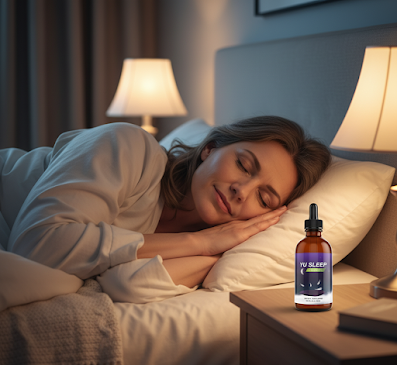
Tired of waking up at 3 AM?
Yu Sleep - designed to stop 3 AM wake-ups at the source
9 clinically studied ingredients. 0.9mg melatonin (not 10mg). 60-day money-back guarantee.
Try Yu Sleep Risk-Free →People Also Ask
Why do I wake up at 3am every night?
The most common reason is a cortisol spike combined with sleep anxiety. Your body naturally releases cortisol around 2-3 AM to prepare for waking, and if your stress response is overactive, that surge hits too hard, too early. Learn more about the tired but wired phenomenon here.
Is waking up at 3am a sign of stress?
Yes, it often is. Chronic stress keeps your cortisol elevated into the night, and the natural cortisol pulse around 3 AM triggers a full wake-up response. Ingredients like lemon balm and L-theanine specifically target this mechanism.
What organ is active at 3am?
In traditional Chinese medicine, 3 AM is associated with the liver meridian. From a Western medicine perspective, your adrenal glands release a cortisol pulse at this hour, which is why stress and liver metabolism are both linked to this wake-up window.
How do I stop waking up at 3am?
Start with free fixes: consistent sleep schedule, no screens 1 hour before bed, cool bedroom (65-68°F), and a protein snack if you skip dinner. If those do not work after a week, add magnesium glycinate and consider a multi-ingredient sleep supplement. Here is a 7-day plan to reset your sleep.
Can magnesium help with 3am wake-ups?
Yes. Low magnesium is linked to elevated cortisol, which causes middle-of-the-night waking. Magnesium glycinate calms the nervous system and supports natural melatonin production. Here is my full guide to choosing the right magnesium.
Frequently Asked Questions
Why do I wake up at 3 AM and can't go back to sleep?
The most common reason is a cortisol spike combined with sleep anxiety. When you wake and immediately worry about not sleeping, your stress response kicks in. The solution is to address the cortisol issue (lemon balm, L-theanine) and break the anxiety cycle (GABA, apigenin).
Is waking up at 3 AM a sign of diabetes?
It can be. Blood sugar instability is one of the causes. If you also experience excessive thirst or frequent urination during the day, talk to your doctor about testing.
Why do I wake up at 3 AM every single night?
Consistent 3 AM waking usually indicates a cortisol rhythm issue. Your adrenal glands release a cortisol pulse at that hour, and if your stress response is overactive, it wakes you up. Lifestyle factors (stress, caffeine, irregular schedule) are the most common triggers.
Does alcohol cause 3 AM wake-ups?
Yes. Alcohol helps you fall asleep faster but triggers a rebound effect 3-4 hours later as your body metabolizes it. Your nervous system becomes hyperactive, and you wake up - usually between 2-4 AM.
How do I stop waking up at 3 AM?
Start with the free fixes: consistent sleep schedule, no screens 1 hour before bed, cool bedroom (65-68°F), and a protein snack if you skip dinner. If those do not work after a week, add magnesium glycinate and consider a multi-ingredient sleep supplement.
Why do I wake up at 3 AM and feel anxious?
The 3 AM cortisol spike activates your fight-or-flight response. If you are already prone to anxiety, this spike triggers racing thoughts and worry loops. Ingredients like GABA, L-theanine, and apigenin specifically target this pathway.
Can magnesium help with 3 AM wake-ups?
Yes. Low magnesium is one of the most common and most overlooked causes of middle-of-the-night waking. Magnesium glycinate calms the nervous system and supports natural melatonin production. Here is my full guide to magnesium for sleep.
Want to try the supplement mentioned in this article?
Try Yu Sleep — Risk-Free for 60 Days
9 clinically studied ingredients. Low-dose melatonin. Free shipping on 6-month orders.
Try Yu Sleep Risk-Free →Continue Reading
Why Do I Wake Up at 3 AM? 9 Tested Causes & Fixes (2026)
Waking up at 3 AM every night? Learn the 9 tested causes — from cortisol spikes to magnesium deficiency — and what actua...
How to Fall Asleep Faster: 15 Tested Methods That Work in 2026
Can't fall asleep? These 15 tested methods help you fall asleep in under 20 minutes — from the military technique to sup...
Best Natural Sleep Supplements 2026: Tested & Ranked
Which natural sleep supplement actually works? We tested 12 options — here are the top picks by ingredients, clinical ev...
Magnesium for Sleep: Which Form Works Best? Tested 2026 Guide
Not all magnesium is the same. Tested comparison of glycinate, citrate, threonate, and oxide for sleep — which form actu...